Decoding Old Oxfordshire Properties: A Surveyor’s Guide to Oxford’s Historic Buildings
With its famous university and historic architecture, Oxford has some of the oldest properties in the UK. As a surveyor in Oxfordshire, I routinely encounter structures dating back hundreds of years. While the old buildings are part of Oxford’s undeniable charm, they also come with their own set of structural issues and maintenance needs. In this post, I’ll decode some of the unique aspects of older properties in Oxfordshire and provide tips for proper care and repair.
Oxford’s Medieval Structures
Some of the oldest buildings in Oxford date back to the medieval era. Structures constructed from the 12th through the 15th century have some distinct Gothic features. Pointed arches, ribbed stone ceilings, narrow lancet windows, and crenelations along the rooftops are typical. One major area to inspect in medieval buildings is the roof. The steeply pitched gable roofs were often thatched and are prone to sagging over the centuries. The exposure to elements can cause deterioration of the roof timbers which must be assessed and strengthened through structural reinforcements if necessary.
Timber Frames and ‘Wattle and Daub’ Walls
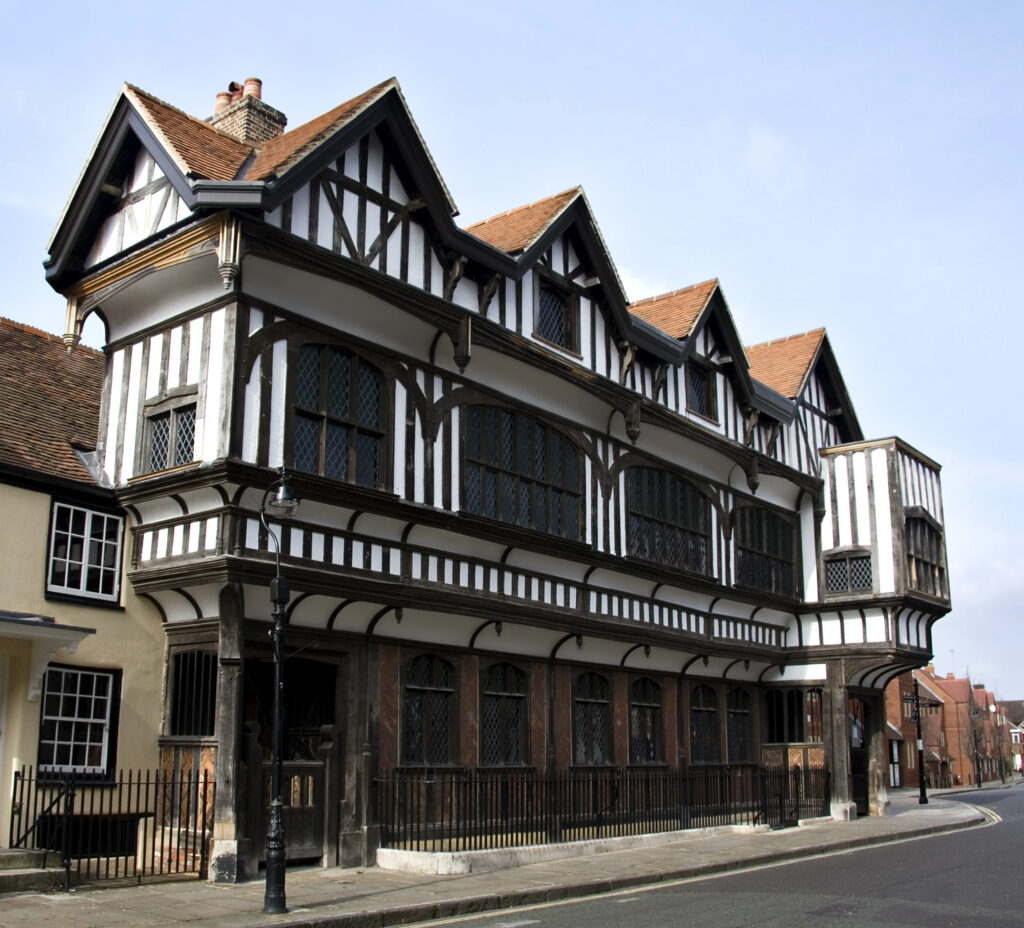
Many Tudor buildings constructed in the 16th century utilise timber frames for the inner structure and infill panels made from interwoven sticks known as ‘wattle’ packed with a mud and straw plaster called ‘daub’. While picturesque, the organic components of these walls are vulnerable to decay from moisture penetration. During surveys, I check for insect damage or rotting of wooden structural members. Preventative treatments can arrest further deterioration. For long-term protection, timber frames may need replacement while daub walls require protective cladding.
Stone and Flint Masonry
Oxford’s iconic historic colleges and institutional buildings typically feature locally sourced stone or flint masonry facades. Names like Headington, Taynton, and Burford denote the stone quarries used originally. Structures made from these natural stones have incredible longevity, some lasting over 900 years. However over time, weathering causes erosion of detailing, opening of mortar joints, and even bowing or buckling in some cases. Repointing projects to fill gaps as well as supplemental reinforcements are critical for preservation.
Sash Windows
The iconic windows you see lining Oxford’s historic streets – vertically sliding sash windows – became popular in the Georgian period during the early 18th century. While beautiful, the single pane glass and wooden frames experience expansion, contraction, and air leakage over time. Maintenance calls for re-puttying around panes, replacing broken glass, addressing stuck sashes that won’t slide, and draught-proofing. In some cases, full window refurbishment or installation of secondary glazing provides enhanced insulation.
Coping with Damp
Given Oxford’s damp climate and flooding incidents, moisture ingress and controlling internal humidity levels proves challenging, especially for older stone or brick dwellings. I commonly encounter rising damp from moisture wicked up through walls via capillary action which can cause efflorescence deposits, mold, rot, and if left untreated, serious structural issues. It’s critical to manage drainage, install barriers, use chemical damp proofing injections, and employ dehumidifiers to limit dampness.
Protecting Oxford’s Legacy
Part of England’s cultural heritage exists in the medieval halls, classic libraries, gothic cloisters, and charming row houses that epitomise the Oxford townscape. As custodians of these historic structures, we balance preserving original architectural fabric with undertaking necessary adaptations for modern usage. Through careful survey techniques, maintenance planning, and sensitive retrofits – Oxford’s legendary buildings can be preserved for generations more to appreciate and enjoy.
I hope this overview gives some insider perspective into the unique structural aspects of Oxford’s old building stock and maintenance requirements property owners should keep in mind. As a RICS Chartered Surveyor, I’m always happy to answer additional questions about protecting our historic housing heritage. Please feel free to get in touch!