One of the most important steps when buying a property is to make sure it’s structurally sound. The Royal Institution of Chartered Surveyors (RICS) is the leading professional body of surveyors in the UK, and they provide standardised survey levels which help homebuyers understand the condition of their potential purchase. There are three levels to choose from, each designed for different types of property and buyer needs.
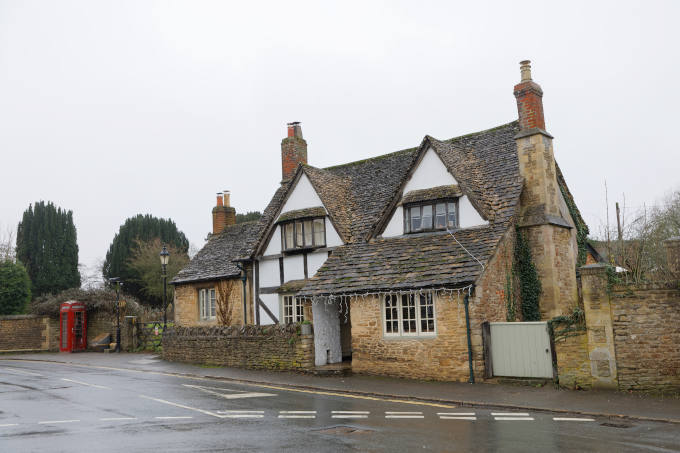
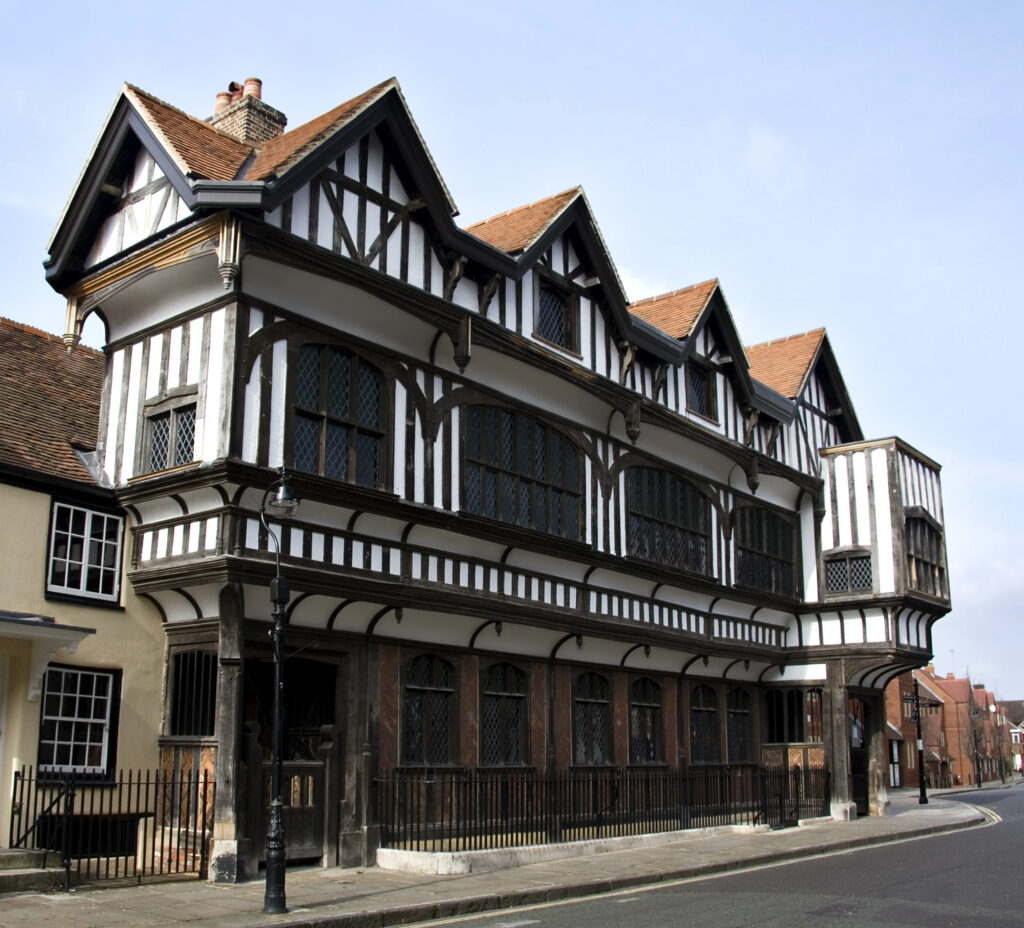
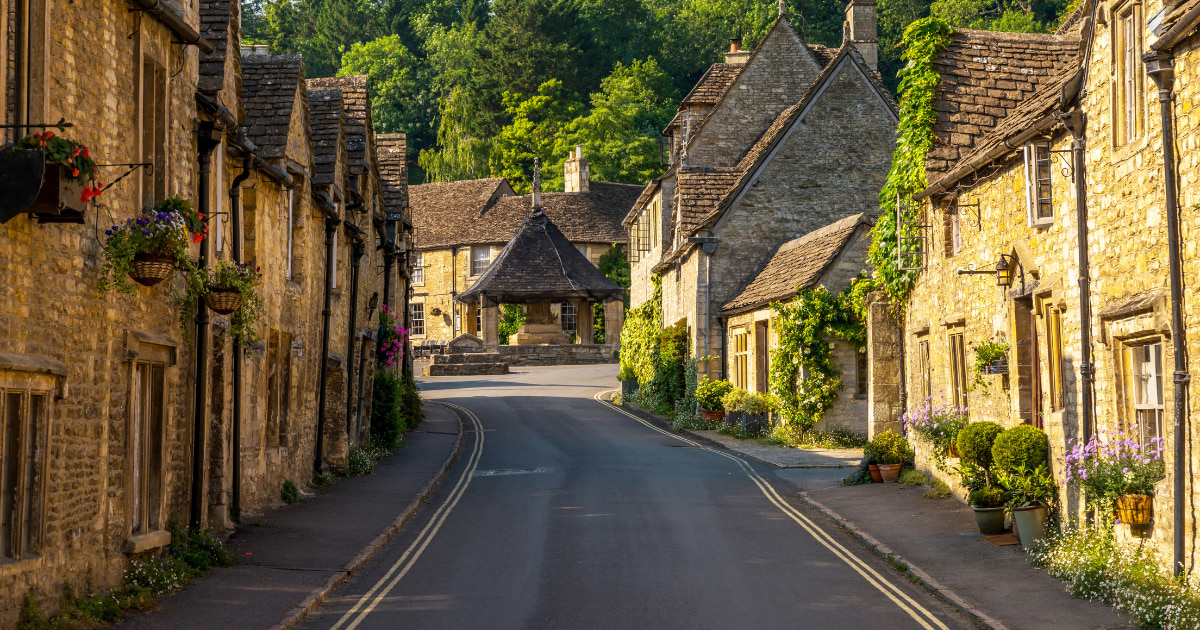
The most comprehensive of these is the Level 3 Survey Report, which is particularly recommended for older properties, those that appear to be in poor condition, and properties that have an unconventional construction.
What is a RICS Level 3 Survey?
A RICS Level 3 Survey Report, formerly known as Building Survey, is the most detailed property inspection available to homebuyers in the UK. Unlike the more basic Level 1 (Condition Report) and Level 2 (HomeBuyer Report), a Level 3 survey provides an in-depth analysis of the property’s construction and condition, making it ideal for period properties, those constructed with non-standard materials, or homes requiring extensive renovation work.
While a Level 2 survey follows a standardised format and focuses on significant issues, a Level 3 survey is more investigative in nature, providing detailed commentary on all accessible parts of the property. It’s especially valuable when you’re planning renovations or major works to the home, or you need to understand the full extent of repairs required before committing to a purchase.
What Does a Level 3 Survey Include?
External Inspection
The first step is the external inspection – a key part of a Level 3 survey – as many major defects begin outside the building. The surveyor will closely examine the roof, coverings, and chimney for damage, wear, or potential leaks, and external walls are checked for cracks, bulging, or movement that could signal subsidence or settlement issues.
Windows, doors, guttering, and drainage systems are inspected to ensure they function properly and keep the property weathertight. Visible parts of the foundations will also be reviewed for signs of movement or deterioration, and any outbuildings, garages, conservatories, boundary walls, and garden structures are also assessed.
Internal Inspection
Once inside, your surveyor carries out a comprehensive examination of all accessible areas, assessing walls, ceilings, and floors for cracks, unevenness, or other signs of structural movement. Woodwork, staircases, and joinery are checked for rot or decay, and damp is investigated using a mix of visual clues and moisture metres to detect any signs of rising or penetrating damp and condensation problems.
There’s a visual inspection of electrical, plumbing, and heating systems, with recommendations for specialist testing and further inspections if it’s felt they’re needed. Insulation, ventilation, and the condition of built-in fittings such as kitchens and bathrooms are also reviewed as part of the report.
What’s Not Included?
It’s important to understand that a Level 3 survey isn’t all-encompassing and there are limitations. Anything that’s hidden behind fitted furniture, under carpets, or within sealed wall cavities, for example, can’t be examined. A full electrical inspection and testing isn’t covered by the survey, as this requires a qualified electrician to carry out detailed tests on the circuits and installations throughout the property. Similarly, a boiler service and gas safety check needs be commissioned separately and carried out by a Gas Safe registered engineer.
Asbestos surveys also require specialist knowledge and equipment, so if the property was built before 2000, you may need to arrange a separate inspection to ensure there are no hazards related to this material in the property. Finally, a Level 3 survey does not normally include a valuation of the property unless you specifically request and pay extra for this service.
How is the Report Presented?
A Level 3 Building Survey provides detailed analysis of the property’s overall condition, highlighting the obvious and hidden defects, potential problems, how urgent these issues are in terms of repairs, the estimated costs, and relevant maintenance advice. For this reason, knowing how to read and interpret your report is essential to gathering as much information from it as you can.
Your survey report will provide a concise overview highlighting any critical defects and immediate priorities, followed by information about the property such as its construction type, age and location. The report is supported by photographs and diagrams to visually show the condition of the property.
Detailed findings are broken down into sections, and condition ratings using a traffic light system are used to quickly identify the severity of any issues found. Serious problems that require immediate attention are labelled as red, those needing repair or further inspection at some point in the future are amber, and if no issues are found, the condition is labelled as green. Your report will also include recommendations for further action, with likely consequences of inaction.
What Does a Level 3 Survey Cost?
The cost of a RICS Level 3 survey varies considerably depending on several factors, ranging from £650 to £1,500 or more in some cases. The property’s size is one of the primary determinants for the cost, with larger homes requiring more time to inspect and resulting in lengthier reports. Location also affects pricing, with surveys in London and the southeast generally costing more than those in other regions.
As one of the most comprehensive property inspections available, a Level 3 survey provides you with invaluable insight into the condition and construction of your potential new home. It may seem like a significant upfront cost but the detailed information it provides can save you from expensive surprises down the line and gives you the knowledge and confidence to negotiate effectively or make an informed decision about whether to proceed with a purchase.
To book one of our surveys for your property, or to find out more about the services we offer, please don’t hesitate to contact Andrew Goodwin & Associates today.