Andrew Goodwin & Associates

Contact Us To Talk To Our Expert Team
01367 244185
andrew@ag-surveyors.co.uk
  • Home
  • Our Services
    • RICS Condition Report
    • RICS Homebuyer Reports
    • Building Survey/ RICS Level 3 Survey Report
    • Listed Building Surveys
    • RICS Property Valuations
  • About Us
    • What our clients say
    • Meet the team
  • FAQ
  • Blog
  • Contact Us
    • Oxford
    • Swindon
    • Cirencester
    • Abingdon

23rd October 2025 By Andrew Goodwin

What Does a RICS Level 3 Survey Include?

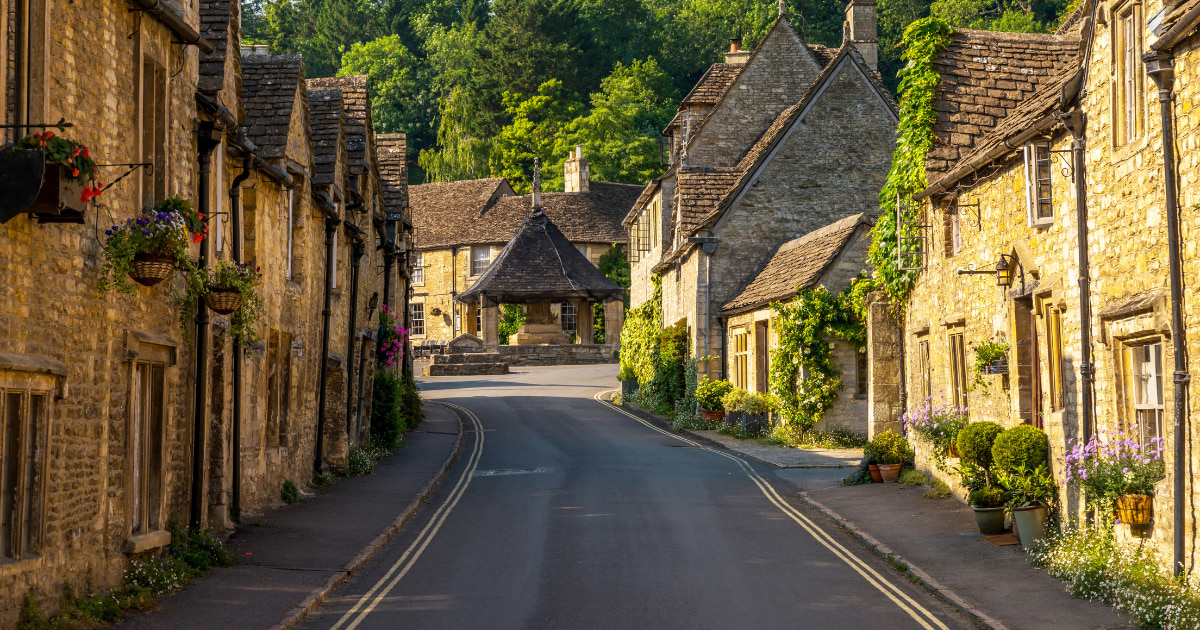
Village street with historic stone houses, a cobblestone road, climbing plants, and colourful flowers.

One of the most important steps when buying a property is to make sure it’s structurally sound. The Royal Institution of Chartered Surveyors (RICS) is the leading professional body of surveyors in the UK, and they provide standardised survey levels which help homebuyers understand the condition of their potential purchase. There are three levels to choose from, each designed for different types of property and buyer needs.

The most comprehensive of these is the Level 3 Survey Report, which is particularly recommended for older properties, those that appear to be in poor condition, and properties that have an unconventional construction.

What is a RICS Level 3 Survey?

A RICS Level 3 Survey Report, formerly known as Building Survey, is the most detailed property inspection available to homebuyers in the UK. Unlike the more basic Level 1 (Condition Report) and Level 2 (HomeBuyer Report), a Level 3 survey provides an in-depth analysis of the property’s construction and condition, making it ideal for period properties, those constructed with non-standard materials, or homes requiring extensive renovation work.

While a Level 2 survey follows a standardised format and focuses on significant issues, a Level 3 survey is more investigative in nature, providing detailed commentary on all accessible parts of the property. It’s especially valuable when you’re planning renovations or major works to the home, or you need to understand the full extent of repairs required before committing to a purchase.

What Does a Level 3 Survey Include?

External Inspection

The first step is the external inspection – a key part of a Level 3 survey – as many major defects begin outside the building. The surveyor will closely examine the roof, coverings, and chimney for damage, wear, or potential leaks, and external walls are checked for cracks, bulging, or movement that could signal subsidence or settlement issues.

Windows, doors, guttering, and drainage systems are inspected to ensure they function properly and keep the property weathertight. Visible parts of the foundations will also be reviewed for signs of movement or deterioration, and any outbuildings, garages, conservatories, boundary walls, and garden structures are also assessed.

Internal Inspection

Once inside, your surveyor carries out a comprehensive examination of all accessible areas, assessing walls, ceilings, and floors for cracks, unevenness, or other signs of structural movement. Woodwork, staircases, and joinery are checked for rot or decay, and damp is investigated using a mix of visual clues and moisture metres to detect any signs of rising or penetrating damp and condensation problems.

There’s a visual inspection of electrical, plumbing, and heating systems, with recommendations for specialist testing and further inspections if it’s felt they’re needed. Insulation, ventilation, and the condition of built-in fittings such as kitchens and bathrooms are also reviewed as part of the report.

What’s Not Included?

It’s important to understand that a Level 3 survey isn’t all-encompassing and there are limitations. Anything that’s hidden behind fitted furniture, under carpets, or within sealed wall cavities, for example, can’t be examined. A full electrical inspection and testing isn’t covered by the survey, as this requires a qualified electrician to carry out detailed tests on the circuits and installations throughout the property. Similarly, a boiler service and gas safety check needs be commissioned separately and carried out by a Gas Safe registered engineer.

Asbestos surveys also require specialist knowledge and equipment, so if the property was built before 2000, you may need to arrange a separate inspection to ensure there are no hazards related to this material in the property. Finally, a Level 3 survey does not normally include a valuation of the property unless you specifically request and pay extra for this service.

How is the Report Presented?

A Level 3 Building Survey provides detailed analysis of the property’s overall condition, highlighting the obvious and hidden defects, potential problems, how urgent these issues are in terms of repairs, the estimated costs, and relevant maintenance advice. For this reason, knowing how to read and interpret your report is essential to gathering as much information from it as you can.

Your survey report will provide a concise overview highlighting any critical defects and immediate priorities, followed by information about the property such as its construction type, age and location. The report is supported by photographs and diagrams to visually show the condition of the property.

Detailed findings are broken down into sections, and condition ratings using a traffic light system are used to quickly identify the severity of any issues found. Serious problems that require immediate attention are labelled as red, those needing repair or further inspection at some point in the future are amber, and if no issues are found, the condition is labelled as green. Your report will also include recommendations for further action, with likely consequences of inaction.

What Does a Level 3 Survey Cost?

The cost of a RICS Level 3 survey varies considerably depending on several factors, ranging from £650 to £1,500 or more in some cases. The property’s size is one of the primary determinants for the cost, with larger homes requiring more time to inspect and resulting in lengthier reports. Location also affects pricing, with surveys in London and the southeast generally costing more than those in other regions.


As one of the most comprehensive property inspections available, a Level 3 survey provides you with invaluable insight into the condition and construction of your potential new home. It may seem like a significant upfront cost but the detailed information it provides can save you from expensive surprises down the line and gives you the knowledge and confidence to negotiate effectively or make an informed decision about whether to proceed with a purchase.

To book one of our surveys for your property, or to find out more about the services we offer, please don’t hesitate to contact Andrew Goodwin & Associates today.
Filed Under: Information and Advice

30th September 2024 By Andrew Goodwin

Preserving and Restoring Oxfordshire’s Historic Homes

Oxfordshire boasts a rich tapestry of architectural delights, with historic homes that tell the story of centuries gone by. From quaint thatched cottages to grand manor houses, these buildings are living monuments to our shared history. As an owner of one of these properties, you’re a custodian of history so knowing how to preserve and restore the building properly is critical to ensure you don’t damage historic features and character.

What Makes Oxfordshire’s Historic Homes Desirable?

The allure of Oxfordshire’s historic homes lies in their unique styles, historical significance, and undeniable charm. Cotswold stone cottages with their honey-coloured walls and Georgian townhouses with their elegant symmetry are just a few examples of the diverse styles that dot our landscape.

These buildings carry with them stories of the past, from the medieval period through to the Industrial Revolution and beyond. The character found in hand-carved wooden beams, original fireplaces and intricate stonework simply can’t be replicated in modern constructions. Moreover, owning a piece of history often translates to increased property value, making these homes not just a joy to live in but also a sound financial investment.

The Role of Surveys in Property Preservation

Professional surveys play a pivotal role in the preservation of historic properties. As surveyors with experience in listed buildings, we can attest to the importance of thorough assessments. Property surveys go beyond standard inspections of the building – they provide detailed documentation into the structure and foundations, so you have a clear overview of any problems and complications that could pose an issue when you come to renovate.

For example, in Oxfordshire, issues like subsidence are common due to the area’s clay soil. Similarly, timber decay from long-term moisture exposure and outdated electrical and plumbing systems are frequently found in older homes. Identifying these problems early is crucial for developing effective preservation strategies and avoiding costly repairs down the line. A Condition Report will help you spot these problems early on, so you’re prepared.

Work with experienced professionals

Restoring a heritage home is far more than a standard renovation—it’s a meticulous process that demands expertise in historical materials, craftsmanship, and conservation techniques. So, it’s important to work with professionals who specialise in heritage restoration to ensure the project is sympathetic to the building’s historical integrity while safeguarding its longevity.

These experts bring a unique skill set that goes beyond surface-level repairs, helping to address underlying issues before they escalate into costly problems. They’ll have in-depth knowledge of authentic materials and finishes to preserve the authenticity and historical accuracy of the building. They will also be able to advise you on proactive measures to prevent future deterioration

Above all, professionals in heritage restoration recognise that they’re not simply renovating a structure—they are preserving a piece of history. By relying on their expertise, you can be confident that your property will not only be restored beautifully but also maintained with the care and precision it deserves.

Preservation and Restoration Techniques to Consider

Preserving any historic home requires a delicate balance between maintaining historical integrity and incorporating modern comforts so they’re liveable and safe. This will likely require working closely with local conservation officers and planning authorities to ensure that any restoration work complies with regulations while respecting the building’s heritage.

Sourcing appropriate materials for repairs is also crucial. For instance, using lime plaster instead of cement on old stone walls will allow the building to ‘breathe’. Energy efficiency improvements can be challenging but not impossible in historic homes. Solutions like secondary glazing or insulating loft spaces can significantly enhance comfort without altering the building’s appearance. Naturally, the preservation of older buildings is an ongoing process that requires commitment from their owners.

Regular maintenance checks can prevent small issues from becoming major problems. Homeowners may want to explore grants and funding opportunities available for restoration projects; organisations like Historic England often provide support for historically significant buildings. Remember, every historic home is unique, and preservation approaches should be tailored to each property’s specific needs.

The preservation of historic homes in this area isn’t just a matter of maintaining old buildings; it’s about safeguarding our cultural heritage for future generations. Professional surveys are an indispensable tool in this process, helping to uncover hidden issues and guide preservation efforts.

If you’re looking to buy an older property in the Oxfordshire area or you’ve taken on a period home and want to begin the process of restoring it, get in touch with our team to arrange a property survey.

Filed Under: Information and Advice

12th December 2023 By Andrew Goodwin

A Surveyor’s Guide to Oxford’s Historic Buildings

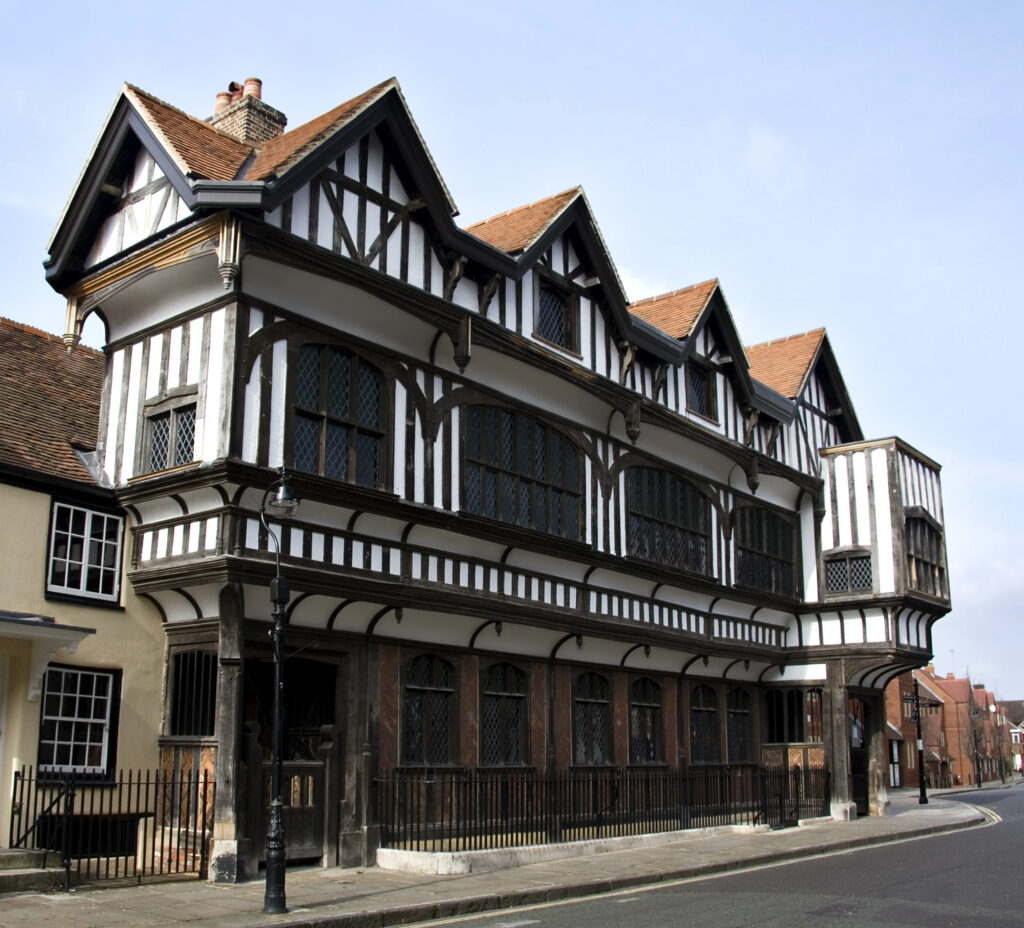
Tudor House

Decoding Old Oxfordshire Properties: A Surveyor’s Guide to Oxford’s Historic Buildings

With its famous university and historic architecture, Oxford has some of the oldest properties in the UK. As a surveyor in Oxfordshire, I routinely encounter structures dating back hundreds of years. While the old buildings are part of Oxford’s undeniable charm, they also come with their own set of structural issues and maintenance needs. In this post, I’ll decode some of the unique aspects of older properties in Oxfordshire and provide tips for proper care and repair.

Oxford’s Medieval Structures

Some of the oldest buildings in Oxford date back to the medieval era. Structures constructed from the 12th through the 15th century have some distinct Gothic features. Pointed arches, ribbed stone ceilings, narrow lancet windows, and crenelations along the rooftops are typical. One major area to inspect in medieval buildings is the roof. The steeply pitched gable roofs were often thatched and are prone to sagging over the centuries. The exposure to elements can cause deterioration of the roof timbers which must be assessed and strengthened through structural reinforcements if necessary.

Timber Frames and ‘Wattle and Daub’ Walls

Many Tudor buildings constructed in the 16th century utilise timber frames for the inner structure and infill panels made from interwoven sticks known as ‘wattle’ packed with a mud and straw plaster called ‘daub’. While picturesque, the organic components of these walls are vulnerable to decay from moisture penetration. During surveys, I check for insect damage or rotting of wooden structural members. Preventative treatments can arrest further deterioration. For long-term protection, timber frames may need replacement while daub walls require protective cladding.

Stone and Flint Masonry

Oxford’s iconic historic colleges and institutional buildings typically feature locally sourced stone or flint masonry facades. Names like Headington, Taynton, and Burford denote the stone quarries used originally. Structures made from these natural stones have incredible longevity, some lasting over 900 years. However over time, weathering causes erosion of detailing, opening of mortar joints, and even bowing or buckling in some cases. Repointing projects to fill gaps as well as supplemental reinforcements are critical for preservation.

Sash Windows

The iconic windows you see lining Oxford’s historic streets – vertically sliding sash windows – became popular in the Georgian period during the early 18th century. While beautiful, the single pane glass and wooden frames experience expansion, contraction, and air leakage over time. Maintenance calls for re-puttying around panes, replacing broken glass, addressing stuck sashes that won’t slide, and draught-proofing. In some cases, full window refurbishment or installation of secondary glazing provides enhanced insulation.

Coping with Damp

Given Oxford’s damp climate and flooding incidents, moisture ingress and controlling internal humidity levels proves challenging, especially for older stone or brick dwellings. I commonly encounter rising damp from moisture wicked up through walls via capillary action which can cause efflorescence deposits, mold, rot, and if left untreated, serious structural issues. It’s critical to manage drainage, install barriers, use chemical damp proofing injections, and employ dehumidifiers to limit dampness.

Protecting Oxford’s Legacy

Part of England’s cultural heritage exists in the medieval halls, classic libraries, gothic cloisters, and charming row houses that epitomise the Oxford townscape. As custodians of these historic structures, we balance preserving original architectural fabric with undertaking necessary adaptations for modern usage. Through careful survey techniques, maintenance planning, and sensitive retrofits – Oxford’s legendary buildings can be preserved for generations more to appreciate and enjoy.

I hope this overview gives some insider perspective into the unique structural aspects of Oxford’s old building stock and maintenance requirements property owners should keep in mind. As a RICS Chartered Surveyor, I’m always happy to answer additional questions about protecting our historic housing heritage. Please feel free to get in touch!

Filed Under: Information and Advice

1st September 2022 By Andrew Goodwin

5 questions to ask before you buy a period property

stock-photo-cotswald-great-britain - Depositphotos_243801468_XL

If you’re looking to buy a period property around Oxfordshire or the Cotswolds, you’ll be spoilt for choice. There are character properties aplenty, ranging from traditional 17th century cottages to grand Edwardian family homes. Unique architectural features include the obvious charms of sash windows and stained glass, original fireplaces and local stonework. Many homebuyers actively look for buildings that have some history and offer a more interesting lifestyle envelope than modern buildings.

At Andrew Goodwin & Associates, we love period buildings as much as you do. That said, as building experts and Chartered Surveyors with many years’ experience, we also know that maintaining and restoring old buildings can be costly and time consuming. Our professional advice to prospective buyers of period properties is to take off the rose-tinted spectacles and ask some difficult questions before you invest your hard-earned cash. We would also suggest that you set aside a contingency fund for unexpected (and unexpectedly expensive) repairs and renovations.

In practical terms, our Listed and Historic Building Survey is designed specifically for period properties. Based on an in-depth RICS Building Survey, we will provide detailed insights into the property’s condition, inspecting the grounds, outbuildings and main property. We will pay particular attention to the historic architecture, period features, construction methods and materials, flagging up issues of concern and give recommendations for repair and ongoing maintenance.

Here are some of the questions we recommend you ask before buying a period property:

1 – Is the house structurally sound?

Many homebuyers naively assume that just because a property has been standing for many centuries, it is bound to be structurally sound. This is a flawed assumption that can cost you dearly. Subsidence can seriously compromise the building’s value and make it uninsurable, unmortgageable and, ultimately, unliveable. Check the structure for large cracks in walls or ceilings, particularly around doors or windows, and especially if they run diagonally and are visible from the inside and outside. Ask your surveyors to establish if these are harmless cracks or if they could be the first signs of structural movement.

2 – Could there be a problem with damp?

Damp issues are a common occurrence in old buildings that were probably built with solid walls, inadequate ventilation and without a damp proof course. Even the layman’s nose will be able to detect the musty smell of damp in carpets, curtains or cupboards, or notice the tell-tale signs of peeling wallpaper or paint, damp patches or black mould on walls or ceilings. Your surveyors will be able to work out where the damp is coming from (e.g. roof damage, blocked gutters or drains), how serious an issue it is and how expensive it will be to put right.

3 – Gas and electrics – are they fit for purpose?

Safety rules and regulations for gas and electrics have changed substantially over the years. Is the property you’re looking to buy up to date? Look for evidence of an old electrical system such as Bakelite switches, old-fashioned 2-pin power sockets, surface mounted cabling, old fuse boxes with ceramic fuses etc. Bear in mind that rewiring an old house is likely to cost thousands and is not a job that you can put off until later. Check the kitchen and bathroom fixtures and fittings too, as well as the heating system – a boiler should be replaced after 15 years.

4 – How old is the plumbing and drainage system?

Similarly, ancient plumbing and pipes can be a real headache and costly to replace. Lead pipes were commonly used underground, but we now know that lead can leach into the water supply and pose a health risk. Water companies will typically replace a leaking lead pipe at no cost – but it’s a nasty, messy job that’s best to avoid if you can. What’s more, if the period property has a clay-drain system, this too should be replaced with modern PVC pipes in order to minimise the risk of leakage damaging the foundations. Your surveyors will be able to advise on any further investigations that should be carried out.

5 – Are there any planning restrictions?

Finally, it is absolutely essential that you find out at the earliest opportunity if the historic property you have your eye on forms part of a Conservation Area or has a designated ‘listed building’ status. In both cases, planning restrictions will apply and your permitted development rights will be curtailed. In practice, this means that you shouldn’t carry out any home improvements or refurbishments without checking with your local planning authority first, in case you require planning permission, Conservation Area Consent or Listed Building Consent. Once you have the necessary permissions in place, the work can go ahead – but expect it to take longer and cost more.

Get in touch

Buying a period property full of charm and history is the dream for many, but the time, effort and dedication needed to revive an old house can be financially and emotionally challenging. If you are ready to take on a period property in Oxford, Abingdon, Cirencester or Swindon and you are looking forward to looking after a piece of our architectural heritage, contact the team at Andrew Goodwin & Associates for expert advice and guidance.

Filed Under: Information and Advice

30th November 2021 By Andrew Goodwin

4 common myths about property surveys and why they’re not true

To the average homebuyer, building surveying often seems like a complex technical field that is difficult to understand without the benefit of years of professional training. What do surveyors actually do? And is a property survey really necessary when you buy your next home? There are many misconceptions circulating in the public domain, so we thought we’d take some of the most common myths about property surveys and debunk them once and for all.

  1. My mortgage provider is having a survey done on the property, so there’s no need for me to pay for another one.

One of the most common misunderstandings we’ve come across is the assumption that a mortgage valuation is the same as a property survey. It isn’t and the difference between the two is key to understanding why you need to have your own survey done.

Crucially, the property valuation carried out on behalf of your mortgage company is for their benefit, not yours. The sole purpose of the exercise is to ensure that the property is worth the loan that you are applying for. Inspection visits tend to be short and often do little more than check that the lending criteria have been met. The report produces little information regarding the property’s condition, and you may not even be able to access a copy of the valuation report.

By contrast, a RICS property survey such as a HomeBuyer Report or Building Survey is an impartial inspection of the property to assess its condition carried out by independent Chartered Surveyors on your behalf.

  1. A home survey is nice to have but surely the money would be better spent on a builder who will actually fix the problems.

Many homebuyers mistakenly believe that they don’t really need an independent property survey and that when budgets are tight, as they always are when you’re moving home, the money would be better spent elsewhere. But consider this analogy: Would you buy a second-hand car ‘blind’, without an expert giving it a full once-over first? Of course you wouldn’t. Surely, the same principle should apply to what could well be the biggest investment decision you will ever make?

A professional property survey may set you back a few hundred pounds but it’s a due diligence process that you would be unwise to skip. The survey findings may well turn up hidden and unexpected building defects that could cost you thousands of pounds to put right after you’ve moved in. And what about serious issues with the building such as damp, timber decay or structural movement that you as a layman wouldn’t be able to detect but that may well make you change your mind about the agreed price, or whether to proceed with the purchase. Rather than a needless expense, an independent home survey can potentially save you a lot of money and grief.

  1. Surveys never tell you what the problems are. They’re written by surveyors who are more interested in covering their own backs.

It is a cynical misconception that survey findings are deliberately reported in an unclear fashion, or with so many caveats as to render them meaningless, because the surveyor is more interested in protecting himself against any legal action if problems with the building are later uncovered that weren’t flagged up in the survey.

While it is possible for things to slip through the net of even the most eagle-eyed surveyor, your best insurance policy to ensure a quality service is to choose an experienced firm of RICS-accredited Chartered Surveyors, such as Andrew Goodwin & Associates. Our small team of trusted building surveyors meticulously inspects every property and delivers a detailed, comprehensive report on the overall condition of the property. We strive to provide you with full feedback, including the impact of any defects found, to enable you to make an informed purchase decision.

  1. Property surveys are mired in technical jargon that I won’t be able to understand, so there’s no point having one.

It is certainly true that a property survey is a high-level inspection carried out by building professionals who have a wealth of technical knowledge and understanding about construction techniques and materials, and many years of surveying experience to draw on. However, that doesn’t mean that the survey report isn’t accessible to homeowners with no experience in the field of property surveying – far from it.

At Andrew Goodwin & Associates, our service portfolio includes the full suite of RICS home surveys – basic RICS Condition Reports, mid-level RICS HomeBuyer Reports and in-depth RICS Building Surveys. We also have specialist expertise in carrying out Listed Building Surveys. Our survey reports follow a standardised structure and use plain English to enable everyone to understand the survey findings and what they mean for the building. We go the extra mile to ensure that you understand the information presented, offering opportunities to discuss the findings with us and obtain professional advice and guidance from our competent team.

If you are considering the purchase of a property in Oxford, Swindon and the surrounding areas, an independent property survey is the best way to obtain the right information to protect your investment. At AG Surveyors, we can advise on the best choice of survey for your needs, answer any questions you may have and provide you with a free quote. Please don’t hesitate to get in touch.

Filed Under: Information and Advice, News

Link and logo for the Royal Institute of Chartered surveyors Link and logo for The Society for the Protection of Ancient Buildings Link and logo for NHBC Link and logo for Independent Surveyors and Valuers Association Link and logo for the Ombudsman Services

Home | Site Map | Our services | About Us | Meet the Team | FAQ | What Our Clients Say

Copyright © Andrew Goodwin & Associates - Swan House, Swan Lane, Faringdon, Oxfordshire SN7 7AF

01367 244185 | Legal Notice and Privacy Policy

Company Registration No: 06827847