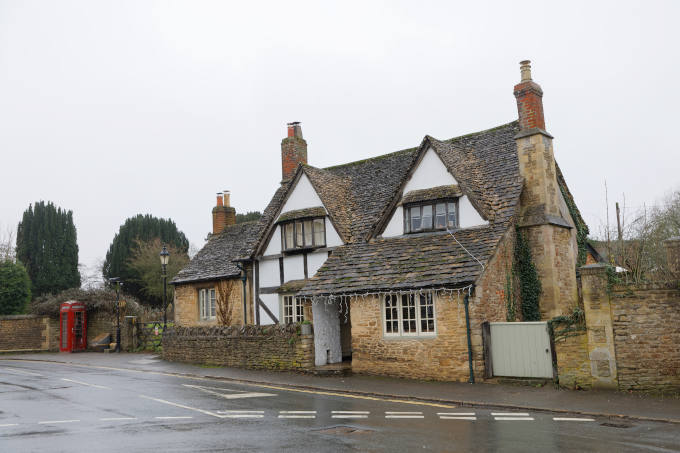
Oxfordshire boasts a rich tapestry of architectural delights, with historic homes that tell the story of centuries gone by. From quaint thatched cottages to grand manor houses, these buildings are living monuments to our shared history. As an owner of one of these properties, you’re a custodian of history so knowing how to preserve and restore the building properly is critical to ensure you don’t damage historic features and character.
What Makes Oxfordshire’s Historic Homes Desirable?
The allure of Oxfordshire’s historic homes lies in their unique styles, historical significance, and undeniable charm. Cotswold stone cottages with their honey-coloured walls and Georgian townhouses with their elegant symmetry are just a few examples of the diverse styles that dot our landscape.
These buildings carry with them stories of the past, from the medieval period through to the Industrial Revolution and beyond. The character found in hand-carved wooden beams, original fireplaces and intricate stonework simply can’t be replicated in modern constructions. Moreover, owning a piece of history often translates to increased property value, making these homes not just a joy to live in but also a sound financial investment.
The Role of Surveys in Property Preservation
Professional surveys play a pivotal role in the preservation of historic properties. As surveyors with experience in listed buildings, we can attest to the importance of thorough assessments. Property surveys go beyond standard inspections of the building – they provide detailed documentation into the structure and foundations, so you have a clear overview of any problems and complications that could pose an issue when you come to renovate.
For example, in Oxfordshire, issues like subsidence are common due to the area’s clay soil. Similarly, timber decay from long-term moisture exposure and outdated electrical and plumbing systems are frequently found in older homes. Identifying these problems early is crucial for developing effective preservation strategies and avoiding costly repairs down the line. A Condition Report will help you spot these problems early on, so you’re prepared.
Work with experienced professionals
Restoring a heritage home is far more than a standard renovation—it’s a meticulous process that demands expertise in historical materials, craftsmanship, and conservation techniques. So, it’s important to work with professionals who specialise in heritage restoration to ensure the project is sympathetic to the building’s historical integrity while safeguarding its longevity.
These experts bring a unique skill set that goes beyond surface-level repairs, helping to address underlying issues before they escalate into costly problems. They’ll have in-depth knowledge of authentic materials and finishes to preserve the authenticity and historical accuracy of the building. They will also be able to advise you on proactive measures to prevent future deterioration
Above all, professionals in heritage restoration recognise that they’re not simply renovating a structure—they are preserving a piece of history. By relying on their expertise, you can be confident that your property will not only be restored beautifully but also maintained with the care and precision it deserves.
Preservation and Restoration Techniques to Consider
Preserving any historic home requires a delicate balance between maintaining historical integrity and incorporating modern comforts so they’re liveable and safe. This will likely require working closely with local conservation officers and planning authorities to ensure that any restoration work complies with regulations while respecting the building’s heritage.
Sourcing appropriate materials for repairs is also crucial. For instance, using lime plaster instead of cement on old stone walls will allow the building to ‘breathe’. Energy efficiency improvements can be challenging but not impossible in historic homes. Solutions like secondary glazing or insulating loft spaces can significantly enhance comfort without altering the building’s appearance. Naturally, the preservation of older buildings is an ongoing process that requires commitment from their owners.
Regular maintenance checks can prevent small issues from becoming major problems. Homeowners may want to explore grants and funding opportunities available for restoration projects; organisations like Historic England often provide support for historically significant buildings. Remember, every historic home is unique, and preservation approaches should be tailored to each property’s specific needs.
The preservation of historic homes in this area isn’t just a matter of maintaining old buildings; it’s about safeguarding our cultural heritage for future generations. Professional surveys are an indispensable tool in this process, helping to uncover hidden issues and guide preservation efforts.
If you’re looking to buy an older property in the Oxfordshire area or you’ve taken on a period home and want to begin the process of restoring it, get in touch with our team to arrange a property survey.